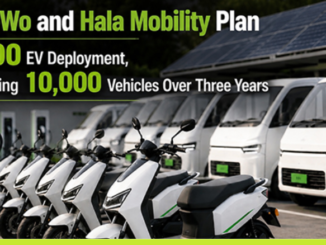


Hala Mobility has introduced battery-swapping access and insurance support for gig workers, aiming to improve the affordability and operational efficiency of electric two-wheelers used for last-mile deliveries.
The initiative addresses key challenges faced by delivery riders, including charging downtime, vehicle operating costs and financial risks.
Battery Swapping to Reduce Delivery Downtime
For gig workers, time spent charging an electric vehicle can affect daily productivity and earnings. Battery swapping offers an alternative by allowing compatible depleted batteries to be exchanged for charged ones.
Key potential benefits include:
- Reduced downtime: Helping riders return to deliveries faster.
- Improved vehicle utilisation: Supporting longer daily operating hours.
- Convenient energy access: Reducing dependence on conventional charging schedules.
Insurance Support for Greater Financial Security
Insurance is another important component of the initiative. Delivery riders depend on their vehicles for income, making unexpected accidents, damage and other covered risks financially significant.
By integrating insurance into its mobility ecosystem, Hala aims to strengthen rider protection alongside electric vehicle access.
Actual coverage will depend on the applicable insurance policy and its terms.
Making Electric Mobility More Accessible
Hala Mobility operates in the electric mobility space, supporting commercial two-wheeler use through mobility services. Its approach reflects a broader industry shift towards providing integrated solutions rather than simply supplying electric vehicles.
For delivery fleets and individual riders, the value of an EV depends on more than its purchase price. Battery availability, maintenance, insurance and reliable service can all influence operating costs.
What This Means for India’s EV Ecosystem
The combination of battery swapping and insurance highlights the growing importance of support services in commercial EV adoption.
However, the long-term impact will depend on battery-swapping network coverage, service reliability, transparent insurance terms and the overall cost to riders.
If implemented effectively, such integrated services could help make electric mobility more practical for India’s growing gig workforce.