
Maruti Suzuki is preparing to expand its electric vehicle portfolio with smaller EVs once India’s charging infrastructure reaches the required level, Managing Director and CEO Hisashi Takeuchi said at the company’s annual general meeting.
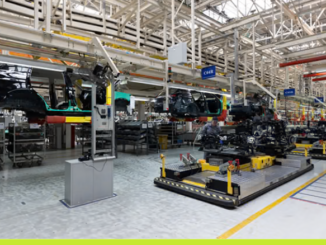
The automaker currently sells the e Vitara, its first electric car in India, manufactured at its Hansalpur facility in Gujarat.
Charging Infrastructure to Drive EV Expansion
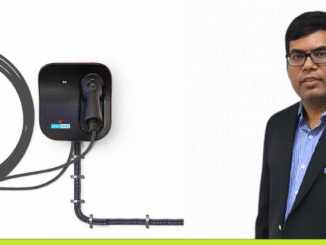
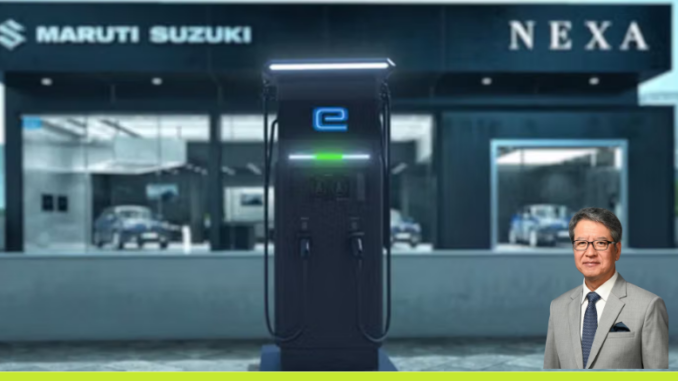
Maruti Suzuki sees charging availability as a key factor in expanding its EV range. The company has previously announced plans to establish more than 100,000 charging points across India by the end of this decade.
Its current charging network includes:
- More than 2,000 exclusive charging points
- Coverage across 1,100+ cities
- Partnerships with 13 charge-point operators
- Focus on highways and expressways
- Chargers planned at around 5–10 km intervals at key locations across the top 100 cities
Once this network matures, Maruti could introduce smaller EVs to compete in segments where Tata Motors and JSW MG Motor already offer electric models.
EVs Won’t Replace ICE and Hybrid Yet
Maruti Suzuki is continuing to invest in multiple powertrain technologies rather than shifting entirely toward EVs.
The company plans to maintain investments in ICE, CNG, hybrid and EV technologies, with its upcoming manufacturing facilities designed to produce different powertrains on the same production lines.
This flexibility could allow Maruti to adjust production according to changing customer demand.
EV Exports Emerging as a Growth Driver
Maruti has also expanded its electric vehicle exports, initially targeting Europe. Takeuchi said the company now accounts for around 90% of India’s EV exports, while exporting vehicles to nearly 120 countries.
₹77,500 Crore Investment Planned
Maruti Suzuki has planned ₹77,500 crore in capital expenditure between FY2027 and FY2031, supporting manufacturing capacity, technology development and future mobility products.
The company’s strategy suggests that charging infrastructure—not just vehicle technology—will play a major role in determining how quickly smaller EVs reach Indian consumers.