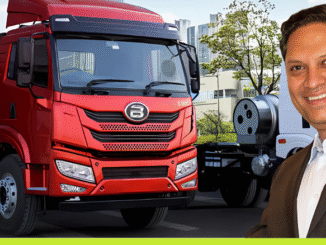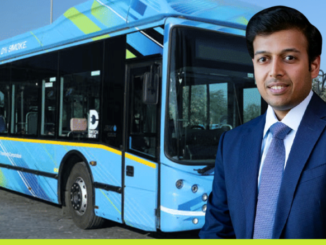

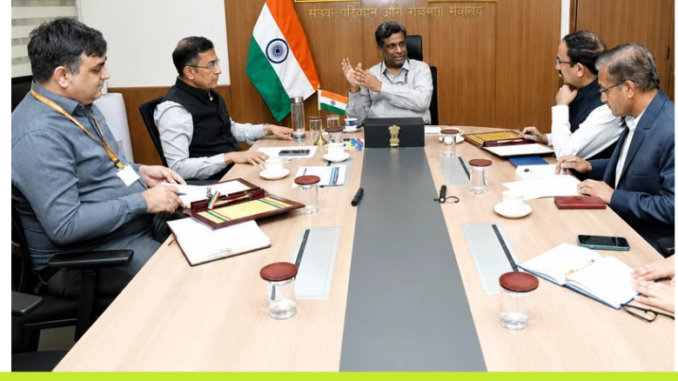
India’s push towards cleaner commercial transport has taken a major step forward. Ashok Leyland and its electric mobility subsidiary Switch Mobility have become the first vehicle manufacturers to sign an MoU under the Government of India’s Delhi-NCR vehicle replacement scheme.
The initiative aims to accelerate the replacement of older, high-emission commercial vehicles with cleaner Bharat Stage-VI and electric alternatives.
First OEMs To Join The Scheme
Under the agreement, Ashok Leyland and Switch Mobility will offer an 8% discount on the ex-showroom price of eligible trucks and buses purchased through the programme.
The scheme targets commercial vehicles registered in Delhi-NCR that comply with BS-IV or older emission standards, encouraging operators to upgrade to cleaner vehicles.
Incentives Beyond Vehicle Discounts
The programme offers multiple financial benefits to fleet operators, including:
- 8% OEM discount on eligible vehicles
- 5% interest subvention from the Central Government
- Monthly fuel vouchers for five years
- Potential motor vehicle tax concessions from participating states
- Registration fee waivers for eligible beneficiaries
These incentives are designed to reduce the cost of fleet modernisation while accelerating emissions reduction.
Why This Matters For India’s Transport Sector
The significance of this development extends beyond vehicle sales.
Key industry signals include:
- Fleet renewal becoming a policy priority
- Greater focus on commercial vehicle decarbonisation
- Increased adoption of BS-VI and electric vehicles
- Stronger collaboration between government and OEMs
As one of the first large-scale fleet replacement initiatives in the country, the scheme could create a roadmap for similar programmes in other regions.
The Road Ahead
With more OEMs expected to join the programme, fleet modernisation is likely to become a key pillar of India’s clean mobility strategy. The initiative highlights how replacing ageing commercial vehicles can deliver immediate environmental benefits while supporting the transition towards electric mobility.