

Maruti Suzuki is expanding its renewable energy footprint, but the bigger story is not sustainability alone—it’s energy security.
The company has announced two major biogas projects across its manufacturing network, reinforcing a growing trend among automakers: reducing dependence on conventional fuels while building greater operational resilience.
From Waste to Energy: Expanding Biogas Capacity
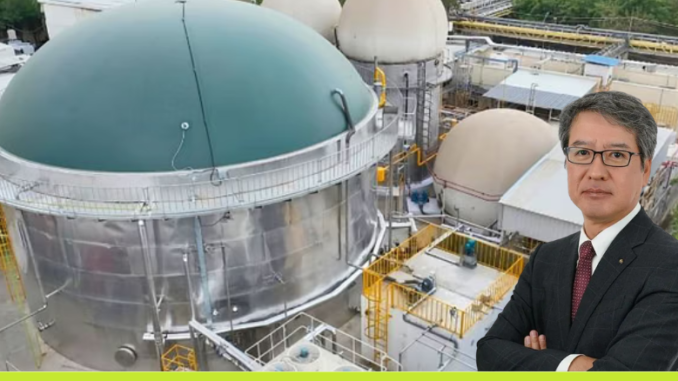
Maruti Suzuki has upgraded its existing biogas plant at Manesar from 0.2 TPD to 0.7 TPD capacity.
The enhanced facility will:
- Generate around 3.6 lakh standard cubic meters of biogas annually
- Reduce approximately 664 tonnes of CO₂ emissions per year
- Utilize food waste, Napier grass, and paddy straw as feedstock
- Supply biogas for paint shop heating and canteen operations
The plant also produces Fermented Organic Manure (FOM), which is reused for landscaping and agricultural applications.
Kharkhoda Set to Become a Major Renewable Energy Hub
The company’s larger move is a new 10 TPD biogas plant planned at its Kharkhoda facility, expected to be commissioned during FY 2026-27.
At full capacity, the project will:
- Mitigate nearly 9,490 tonnes of CO₂ annually
- Meet around 20% of the plant’s gas requirements
- Significantly reduce reliance on fossil fuels
More Than Sustainability
Together, the two projects account for an investment of ₹150 crore and form part of Maruti Suzuki’s broader ₹925 crore green energy roadmap through FY31.
The strategy is already delivering results. At the Hansalpur facility, biogas has replaced nearly 10% of natural gas consumption, helping maintain operations during periods of LNG supply disruption.
Why This Matters
As energy costs become increasingly volatile, manufacturers are looking beyond traditional procurement models.
Maruti Suzuki’s latest investments highlight a larger industry shift toward localized, captive energy generation that offers:
- Lower fuel-cost exposure
- Greater energy security
- Reduced carbon emissions
- Improved operational continuity
For India’s automotive industry, the future of manufacturing may depend not only on how vehicles are built—but also on how factories power themselves.