


EV policy goals and heavy-duty vehicle infrastructure needs
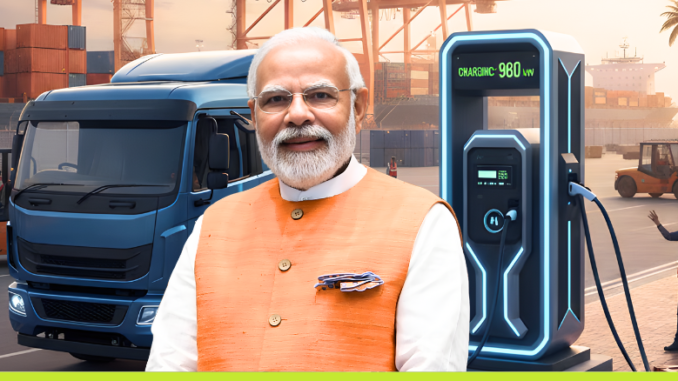
India’s push toward electric mobility targeting 30 % EV market share by 2030 and Net Zero by 2070 has broadened from passenger EVs to include electric buses (e-buses) and electric trucks (e-trucks). While two-wheelers and four-wheelers benefit from expanding fast-charging networks, heavy-duty vehicles have distinct charging requirements due to larger battery capacities, extended duty cycles and operational demands. This necessitates the deployment of high-power charging technologies tailored to commercial fleet use.
Government frameworks such as the PM E-DRIVE scheme, which supports the rollout of fast chargers across vehicle segments, underpin national electrification efforts, but heavy vehicles require bespoke infrastructure planning to maximise uptime and manage grid demand.
Emerging high-power charging technologies
A range of technologies are being evaluated to meet heavy-duty EV charging needs. Dual-gun charging systems can deliver elevated combined power (e.g., up to 500 kW) through two connectors, reducing individual charge times compared with single-gun setups and increasing operational resilience. Pantograph charging, already adopted in many global transit systems, enables fast, automated overhead power transfer ideal for depot or opportunity charging in buses and trucks.
Other technologies, such as catenary charging (overhead supply while moving) and inductive (wireless) charging, offer alternative models for in-route or contactless power transfer but face challenges in cost, standardisation and real-world deployment. Megawatt-hour (MWh) charging systems represent the frontier of ultra-fast charging, capable of multi-MW power delivery, but they require robust grid coordination and advanced safety measures.
Battery swapping especially robotic swapping for heavy batteries is emerging as a complementary option under the broader Battery-as-a-Service (BaaS) model, keeping vehicles on the road while addressing downtime constraints.
Grid integration and future pathways
Deploying high-power charging at scale will require detailed grid impact assessments and energy management strategies that synchronise charging loads with supply, often through Battery Energy Storage Systems (BESS) or renewable integration. Policy, standardisation and feasibility trials will be essential to adapt these technologies to India’s terrain, climatic conditions and grid profiles.