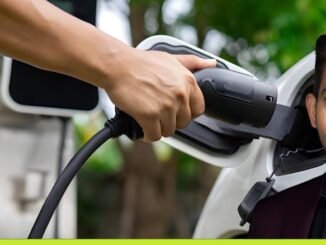

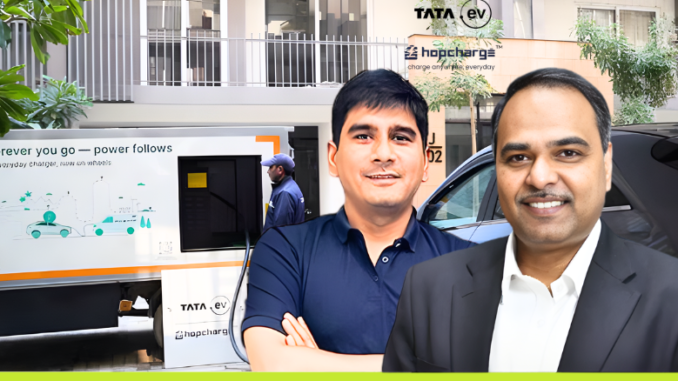

Tata.ev, the electric vehicle business of Tata Motors, and mobile EV charging innovator Hopcharge have partnered to introduce on-demand EV charging vans across the National Capital Region (NCR). This service aims to address charging accessibility gaps by bringing flexible, doorstep charging directly to EV owners where static public chargers may be limited or congested.
Bringing Charging to the Customer: Mobile On-Demand Vans
Under this partnership, Tata.ev and Hopcharge are deploying mobile charging vans that can be summoned by EV users in the NCR region for fast, on-location charging services. These vans are designed to deliver electric energy efficiently and conveniently, especially for vehicles parked in residential complexes, workplace parking, or street locations.
This model removes the need for drivers to queue at public charging points, helping reduce range anxiety among EV owners, a known barrier to wider electric adoption in urban areas. By making charging services directly accessible through a dedicated app, the collaboration also enhances user experience and supports daily commuting needs.
Strategic Impact and Ecosystem Growth
The Tata.ev x Hopcharge initiative reflects a growing trend of mobile electric vehicle charging solutions that complement traditional charging infrastructure. With static public charging points still expanding across India, on-demand services help fill critical service gaps, particularly in high-density corridors like Delhi, Noida and Gurugram.
By combining Tata.ev’s established market presence with Hopcharge’s innovative mobile service offerings, the partnership strengthens the overall EV charging ecosystem in NCR. This hybrid approach could accelerate EV adoption, reduce dependence on fixed infrastructure build-out timelines, and provide users with more reliable, accessible charging options.
The service is expected to enhance convenience for daily EV commuters and support broader adoption among urban drivers who may lack personal home charging facilities. As on-demand charging models mature, they could play a significant role in India’s evolving EV infrastructure landscape, especially in dense metropolitan regions.