

Revolutionizing In-Car Experiences: The Future of Multi-Screen Infotainment in Electric Vehicles

Read More
-
Ather Energy to Invest ₹122 Crore to Expand Electric Two-Wheeler Manufacturing Capacity
-
BCG Identifies New Electric Two-Wheeler Demand from India’s Quick-Commerce Boom
-
SAEINDIA to Host APAC 23 Automotive Conference in New Delhi
-
BKT, Pirelli Plan 50:50 Joint Venture for Passenger Car Tyres in India
-
Volvo Group Consolidates Mining Operations Under New Entity, Volvo Mining
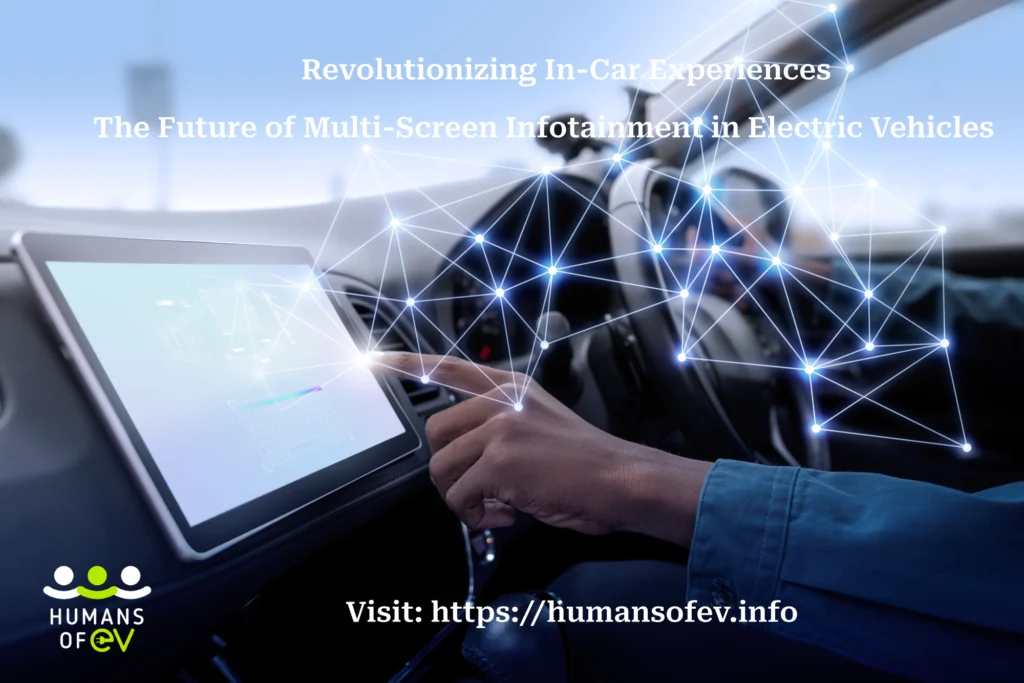
As electric vehicles (EVs) continue to lead the charge in automotive innovation, one of the most exciting developments on the horizon is the evolution of multi-screen infotainment systems.
These setups, which feature multiple displays within a single vehicle, promise to redefine the in-car experience by offering enhanced functionality, connectivity, and personalization.
Multi-screen systems allow for a more intuitive interaction between the driver, passengers, and the vehicle itself. For instance, the driver might utilize a central touchscreen for navigation and vehicle settings, while a separate screen displays critical driving information such as speed, battery status, and range. Meanwhile, passengers can enjoy their own entertainment options, with screens that allow them to stream videos, play games, or even control climate settings independently.
The growing trend toward multi-screen infotainment is driven by the increasing integration of EVs with the Internet of Things (IoT). This connectivity enables real-time updates, seamless integration with smartphones and smart home devices, and a more personalized driving experience. As vehicles become more autonomous, the role of these infotainment systems will expand, transforming the cabin into a space for work, entertainment, or relaxation.
Automakers are also exploring ways to use multi-screen systems to enhance safety. For example, augmented reality (AR) displays can project navigation information directly onto the windshield, allowing drivers to keep their eyes on the road. Similarly, rear-seat screens can display camera feeds to assist with parking or maneuvering in tight spaces.
As EV technology continues to evolve, multi-screen infotainment systems will play a crucial role in shaping the future of transportation, making the driving experience more connected, interactive, and enjoyable than ever before.