

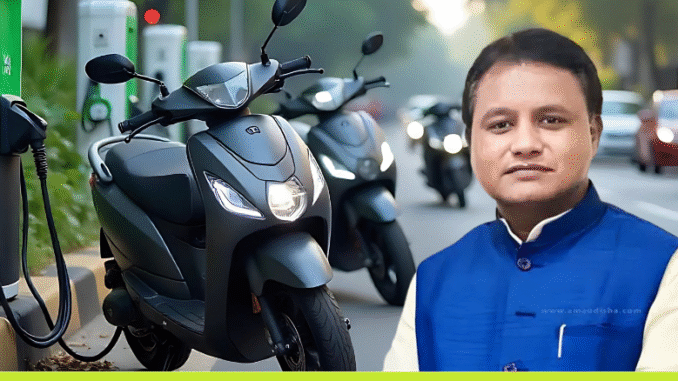

In a bid to accelerate the adoption of electric vehicles, the Odisha government has announced an increase in subsidies for electric two-wheelers under its Draft EV Policy 2025. The revised subsidy, now enhanced to ₹30,000 from the earlier ₹20,000, aims to make EVs more affordable and attractive to consumers in the state.
Key Features of the Draft EV Policy 2025
The new policy will be in effect for five years after consultations with stakeholders. Among the notable provisions are:
- ₹5,000 per kWh incentive for electric two-wheelers, capped at ₹30,000.
- Subsidies extended to other segments, including three-wheelers, taxis, trucks, and buses.
- ₹2 lakh incentive for electric four-wheeler taxis.
- ₹20 lakh subsidy for electric bus registrations.
- A dedicated ₹15 crore fund to promote research and development in the EV sector.
Wider Reach and Benefits
The enhanced subsidy particularly benefits high-battery-capacity scooters and two-wheelers, which are gaining popularity in the market. A government official noted that this decision was taken to match the rising availability of advanced EV models and to support adoption across categories.
Targets for 2030
The Odisha EV Policy 2021 had aimed for EVs to account for 20% of new registrations within four years, but the adoption rate stood at only 9%. With the new Draft EV Policy 2025, the state has set a more ambitious goal — to ensure 50% of new vehicle registrations are electric by 2030.
Driving Toward a Greener Future
By enhancing subsidies and supporting ecosystem development, Odisha is positioning itself as a frontrunner in India’s clean mobility transition. The focus on affordability, sustainability, and innovation is expected to encourage faster EV adoption and contribute significantly to the state’s green growth agenda.