
Electric vans are emerging as one of the most important segments in commercial mobility. As cities push for cleaner transportation and logistics operators seek more efficient fleet solutions, automakers are increasing their focus on zero-emission commercial vehicles.
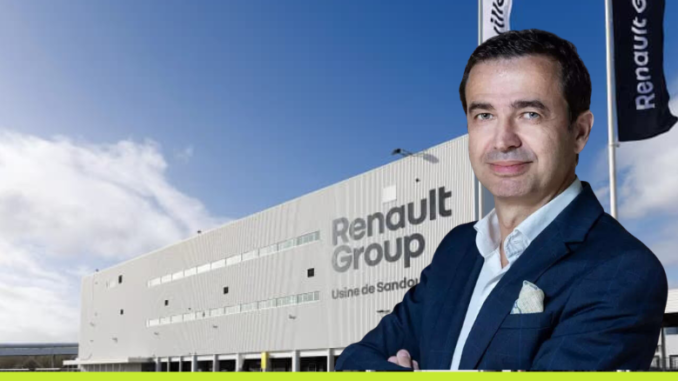
In a significant move, Renault Group has acquired full ownership of Flexis, purchasing the remaining stakes held by Volvo Group and CMA CGM. The acquisition transforms Flexis into a wholly owned Renault subsidiary and strengthens the company’s long-term electric commercial vehicle strategy.
Renault Takes Full Control Of Flexis
The transaction follows the receipt of all necessary regulatory approvals.
Key highlights include:
- Renault acquired Volvo Group’s 45% stake
- Renault acquired CMA CGM’s 10% stake
- Flexis is now a wholly owned Renault subsidiary
- Existing product and manufacturing plans remain unchanged
The acquisition gives Renault greater control over product development, technology integration, and future growth opportunities.
Built Around An EV-First Architecture
Flexis has been created specifically for the future of urban logistics.
The platform includes:
- EV-native skateboard architecture
- Advanced 800V powertrain technology
- Software-defined vehicle platform
- Fleet diagnostics and charging management capabilities
The first production model, the Renault Trafic Van E-Tech electric, is scheduled to enter production in France by the end of 2026.
Why The Move Matters
The significance of the acquisition extends beyond ownership.
It signals:
- Growing confidence in electric vans
- Rising demand for zero-emission logistics
- Greater focus on software-driven fleet management
- Increasing investment in commercial EV platforms
As urban delivery networks continue to expand, electric vans are expected to play a critical role in reducing emissions and improving fleet efficiency.
Looking Ahead
Renault’s decision to fully integrate Flexis reflects a broader industry trend where automakers are taking greater control of next-generation commercial EV platforms. The move positions the company to capitalise on the growing electrification of urban logistics and commercial transportation.