
FlixBus has signed an MoU with the Ministry of Tourism to combine intercity bus connectivity with destination promotion under the Incredible India initiative.
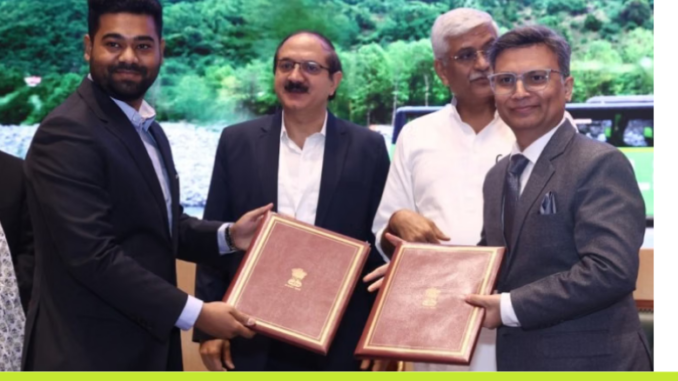
FlixBus has partnered with the Ministry of Tourism to strengthen regional tourism through intercity bus connectivity and destination-focused marketing. The Memorandum of Understanding (MoU) was formalised on World Tourism Day and represents the first formal partnership between the ministry and an intercity bus mobility provider under the central government’s Incredible India initiative.
Co-Branded Coaches to Showcase Indian Destinations
Under the partnership, FlixBus will deploy a dedicated coach featuring Incredible India branding on select intercity routes. The company will also integrate destination-centric travel content into its booking infrastructure.
The initiative aims to connect travel planning with destination discovery, giving passengers greater access to information about regional tourism destinations while booking their journeys.
Key initiatives include:
- Dedicated co-branded FlixBus coaches on selected routes
- Incredible India branding across the passenger journey
- Destination-focused content within FlixBus’ booking platform
- Greater promotion of regional tourism destinations
‘Har Safar, Swachh Safar’ Promotes Responsible Travel
The partnership also introduces the Har Safar, Swachh Safar passenger awareness campaign. Aligned with the government’s Mission LiFE framework, the campaign focuses on encouraging responsible travel practices.
It will promote:
- Waste reduction during journeys
- Environmental sustainability
- Respect for local communities
- Cleaner and more responsible tourism
FlixBus Highlights Tourism Ecosystem
Surya Khurana, Managing Director, FlixBus India, said the company is proud to support the Incredible India campaign through a collaboration that goes beyond transportation and contributes to strengthening India’s tourism ecosystem.
The partnership brings together mobility, destination marketing and responsible tourism, while using intercity bus networks to support travel to regional destinations.