

Tesla Seeks Tariff Relief for China-Made EVs in Canada Amid Trade Tensions

Read More
-
Tata.CARS DrivePay Brings In-Car Fuel Payments With ToneTag
-
Ather Energy Maharashtra Reaches 100 Service Centres, Sales Outlets
-
VinFast Plans Two New EVs for India, Targets Sub-$12,000 Price Point
-
Tata Power EV Charging Hubs Clock 70,000 Sessions Across India
-
Waste Battery to New Battery: LICO and Epsilon Unlock India’s Circular Graphite Opportunity

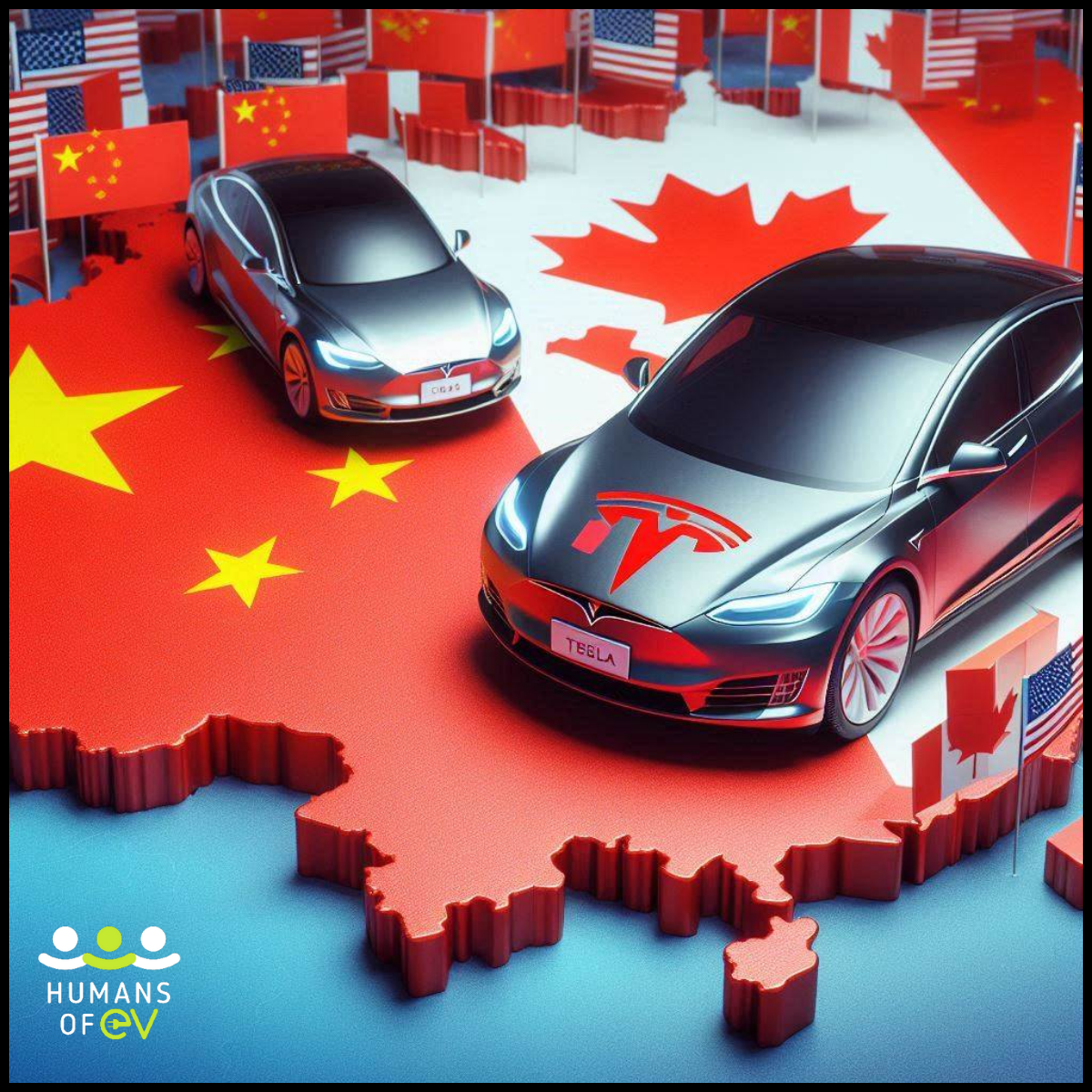
Tesla has formally requested the Canadian government to lower tariffs on its electric vehicles (EVs) manufactured in China
This appeal comes in anticipation of Canada’s impending 100% duty on all Chinese-made EVs, set to take effect on October 1, 2024.
Tesla’s Request Tesla’s goal is to secure a tariff rate comparable to the 9% imposed by the European Union on its China-made cars, as opposed to the 36.3% rate for other Chinese EV imports. The Canadian government, mirroring the U.S.’s stance, has cited China’s state-directed policy of overcapacity as the rationale for the high tariffs.
Impact on Tesla
Tesla’s Shanghai Gigafactory, which produces the Model 3 and Model Y, is significantly impacted by this new tariff. The company argues that the high tariffs could hinder its ability to compete in the Canadian market, potentially affecting its sales and market share.
Broader Trade Tensions
This development underscores the broader trade tensions between China and Western countries, which have increasingly targeted Chinese technology and manufacturing sectors. The Canadian government’s decision is part of a broader strategy to protect its domestic industries and reduce dependency on Chinese imports.
Tesla’s request highlights the challenges faced by automakers in navigating these complex trade dynamics while striving to maintain competitive pricing and market presence.