


Private terminals to address charging and operational challenges
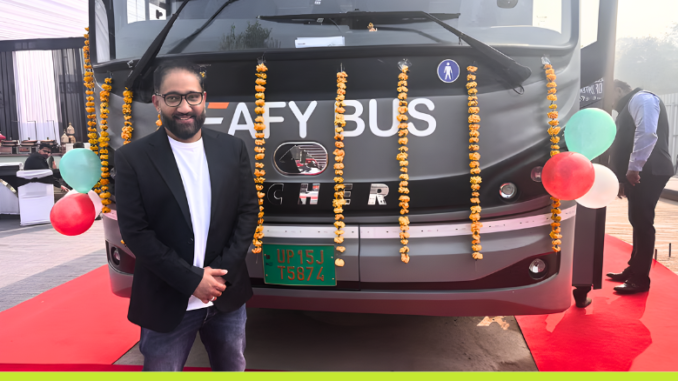
Leafy Bus is developing a network of private electric bus terminals in India to support the expansion of long-distance electric bus services. The move addresses key challenges facing intercity EV operations, including unreliable public charging access, longer turnaround times, and limited passenger facilities at conventional bus terminals. By owning and operating dedicated hubs, Leafy aims to improve operational predictability and passenger experience.
These terminals will integrate high-power DC fast charging, parking, servicing infrastructure, and passenger amenities, including waiting lounges and food and beverage options. The company plans to reduce its reliance on public charging stations and third-party terminals, which often lack the consistency required for scheduled intercity electric bus services.
Fleet expansion supported by hub-and-spoke infrastructure
Founded in 2024, Leafy Bus currently operates 22 electric sleeper buses on key North Indian intercity routes such as Delhi–Dehradun, Delhi–Agra, Delhi–Jaipur and Delhi–Lucknow. The operator plans to scale its fleet to around 55 buses by the end of the year, followed by a significant expansion to nearly 500 electric buses over the next three years.
To support this growth, Leafy is planning approximately 80 private bus terminals across strategic locations in India. These hubs will function as part of a hub-and-spoke model, enabling faster charging cycles and improved fleet utilisation. Each terminal is expected to deploy high-capacity DC chargers, allowing electric buses to recharge efficiently between long-distance trips.
Creating an integrated EV bus ecosystem
Beyond operational benefits, Leafy’s private terminals are designed to enhance the overall intercity travel experience for passengers. Dedicated boarding zones, clean waiting areas, and structured facilities are expected to differentiate electric intercity services from traditional bus operations. The terminals may also open opportunities for ancillary revenue, including retail leasing and food services.
Leafy’s approach reflects a broader shift in electric mobility, where operators increasingly invest in captive infrastructure to de-risk scale-up. As India’s intercity electric bus segment grows, private terminals could play a critical role in making long-haul EV transport commercially viable.