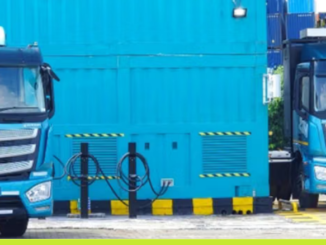


EV Logistics Moves Beyond Just Vehicles
Electric vehicle logistics is changing fast. Earlier, companies focused on buying more vehicles. However, the focus is now shifting toward technology systems.
Green Drive Mobility and Tata Motors plan to scale their EV cargo fleet to 1,000 vehicles by 2028. Yet this step is not only about adding more vehicles. Instead, it shows a move toward building smart fleet systems.
These systems connect vehicles, charging stations, and drivers. As a result, fleets can work faster and more efficiently.
Mission: Build a Unified EV Logistics System
The main mission is to create a single connected platform for logistics. This platform combines fleet vehicles, charging support, workforce planning, and digital tools.
Because of this integration, companies can plan routes better. They can also charge vehicles at the right time. In addition, this reduces downtime and improves delivery speed.
Therefore, EV logistics is becoming more about coordination than just vehicle ownership.
Who Benefits From Tech-Driven EV Logistics
Fleet operators benefit the most from improved efficiency. They can reduce fuel costs and improve delivery schedules. As a result, profits can increase.
OEMs such as Tata Motors also benefit. They move from simply selling vehicles to becoming long-term service partners.
Customers benefit as well. Faster deliveries and reliable services improve their experience.
Overall, tech-driven EV logistics helps the entire supply chain work better.